
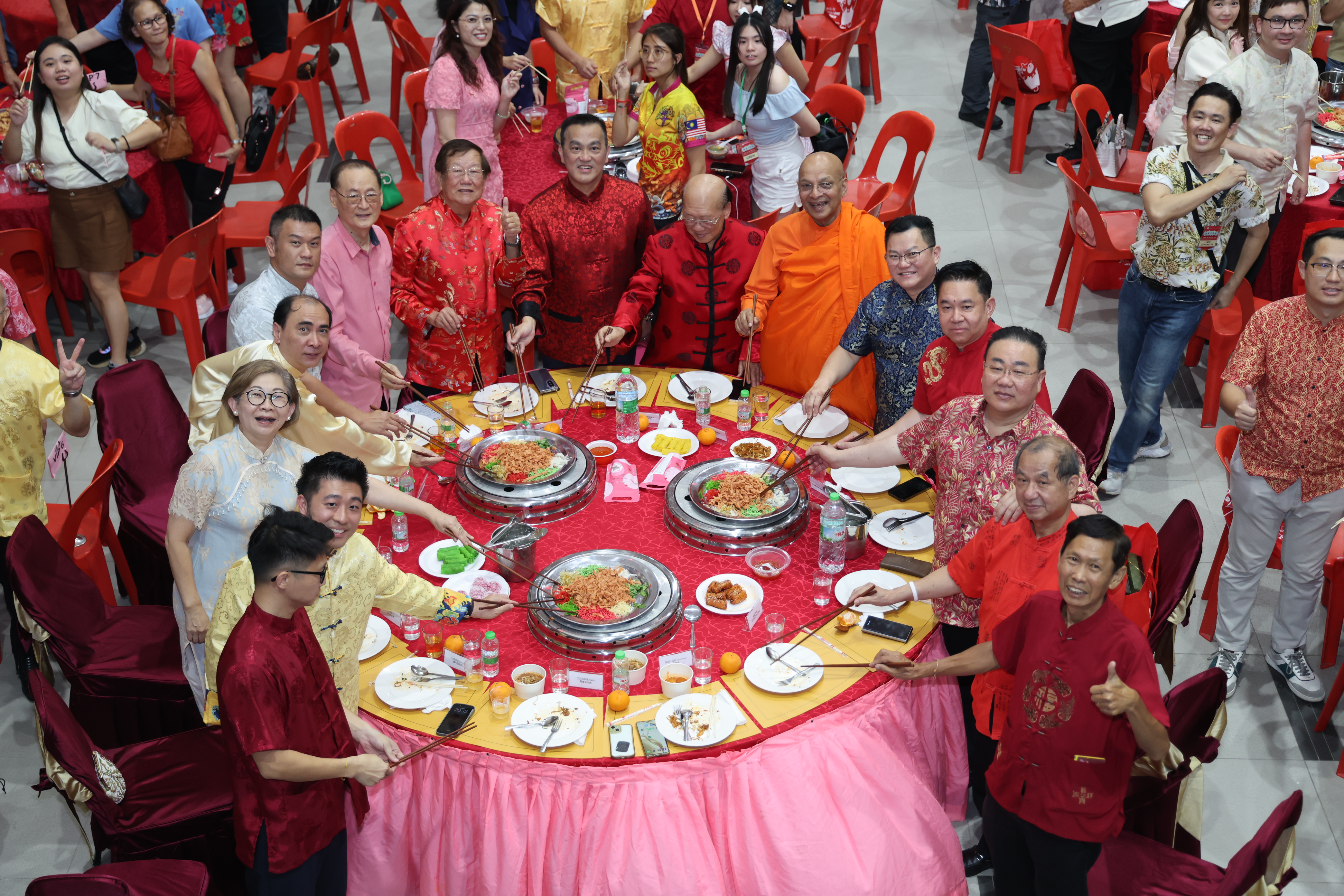
Datuk Seri Dr. Chai Kee Kan, President of the Malaysia Chinese Assembly Hall (MCAH) 马来西亚中华大会堂(马华堂), delivered a wide-ranging and policy-focused address at the MCAH 2026 Chinese New Year Open House, attended by national and state Chinese association leaders, guild representatives, and members of the business and education sectors.
Speaking in conjunction with the Year of the Horse celebrations, Datuk Seri Dr. Chai extended festive greetings while emphasising that Chinese associations carry responsibilities that extend beyond titles and ceremonial roles. He stressed that these organisations form an essential civic force that strengthens social cohesion, clarifies public sentiment, preserves cultural foundations, and contributes to national unity.
𝙈𝙖𝙡𝙖𝙮𝙨𝙞𝙖’𝙨 𝙐𝙣𝙞𝙦𝙪𝙚 𝘾𝙝𝙞𝙣𝙚𝙨𝙚 𝘼𝙨𝙨𝙤𝙘𝙞𝙖𝙩𝙞𝙤𝙣 𝙀𝙘𝙤𝙨𝙮𝙨𝙩𝙚𝙢
Datuk Seri Dr. Chai highlighted the scale and density of Malaysia’s Chinese organisational landscape. As early as 2010, registered Chinese associations totalled 10,230, with current estimates exceeding 12,000. This organisational depth, he noted, demonstrates strong mobilisation capacity and institutional maturity.
He drew comparisons with regional counterparts. Singapore records approximately 242 clan and dialect associations operating within a coordinated framework, while in Thailand and Indonesia, despite larger ethnic Chinese populations, formally structured Chinese associations are fewer. In China, as of end-2024, some 878,700 social organisations are registered, underscoring the central role of civil institutions in governance.
𝙂𝙧𝙖𝙨𝙨𝙧𝙤𝙤𝙩𝙨 𝙎𝙚𝙧𝙫𝙞𝙘𝙚 𝙖𝙣𝙙 𝙋𝙤𝙡𝙞𝙘𝙮 𝙀𝙣𝙜𝙖𝙜𝙚𝙢𝙚𝙣𝙩
He stressed that MCAH’s advocacy goes beyond symbolic engagement. The organisation gathers community feedback systematically, seeks meetings with ministers, and presses for concrete solutions, timelines, and accountability to ensure that public grievances are resolved effectively.
𝘾𝙖𝙡𝙡 𝙛𝙤𝙧 𝙄𝙣𝙨𝙩𝙞𝙩𝙪𝙩𝙞𝙤𝙣𝙖𝙡𝙞𝙨𝙚𝙙 𝙂𝙤𝙫𝙚𝙧𝙣𝙢𝙚𝙣𝙩 𝙁𝙪𝙣𝙙𝙞𝙣𝙜 𝙈𝙚𝙘𝙝𝙖𝙣𝙞𝙨𝙢
In a firm appeal, Datuk Seri Dr. Chai called on the government to institutionalise support for national-level Chinese organisations through a transparent, regular, and fair funding mechanism. As largely volunteer-driven entities without commercial interests, he said sustained institutional backing is crucial to ensure long-term stability and continued service to society.
𝙄𝙣𝙩𝙚𝙧𝙣𝙖𝙩𝙞𝙤𝙣𝙖𝙡 𝙋𝙤𝙨𝙞𝙩𝙞𝙤𝙣𝙞𝙣𝙜 𝙖𝙣𝙙 𝙋𝙤𝙡𝙞𝙩𝙞𝙘𝙖𝙡 𝘿𝙚𝙫𝙚𝙡𝙤𝙥𝙢𝙚𝙣𝙩𝙨
Referencing MCAH’s 22nd Anniversary and Second Dragon Soaring Awards in 2025, Datuk Seri Dr. Chai noted the presence of Deputy Prime Minister Datuk Seri Fadillah, Communications Minister Datuk Fahmi, Ambassador of China to Malaysia Ouyang Yujing, diplomats from over 45 countries, and representatives from 200 associations. He described the event as demonstrating that Malaysian Chinese organisations serve as bridges in international engagement and as ambassadors of Malaysia’s multicultural identity.
On current political developments, he addressed the Democratic Action Party’s Special National Congress scheduled for 12 July 2026, where over 4,000 delegates will deliberate on leadership matters. While expressing respect for the party’s internal democratic process, he voiced hope that any decision would align with broader public sentiment and national stability.
He also acknowledged the contributions of DAP representatives within the Unity Government at federal and state levels, urging continued performance, deeper engagement with civil society, and effective advocacy on issues of livelihood, education, fairness, and institutional reform.
𝘼 𝙍𝙚𝙨𝙥𝙤𝙣𝙨𝙞𝙗𝙡𝙚 𝙖𝙣𝙙 𝘾𝙤𝙣𝙨𝙩𝙧𝙪𝙘𝙩𝙞𝙫𝙚 𝙑𝙤𝙞𝙘𝙚
Datuk Seri Dr. Chai concluded by reiterating that when Chinese associations speak, it is not to confront but to strengthen governance; not to divide, but to foster understanding. Emphasising the perseverance symbolised by the Year of the Horse, he called for steady progress, responsible leadership, and unity to ensure Malaysia’s continued stability and shared prosperity.